
2026–2027
Elementary Reading Plan
A comprehensive plan for explicit foundational reading instruction, knowledge-rich literacy, individualized Montessori learning, intervention, and progress monitoring.
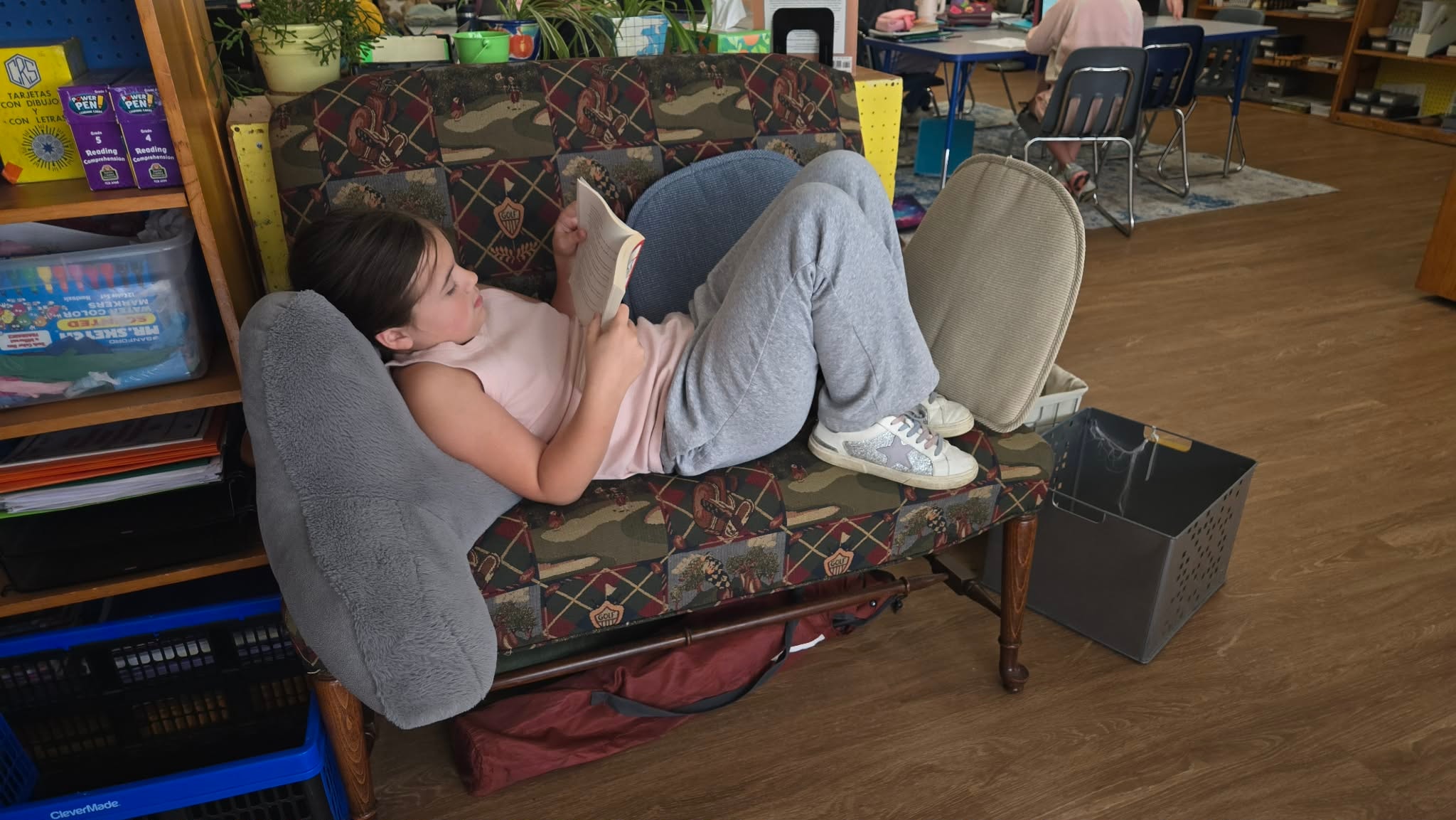
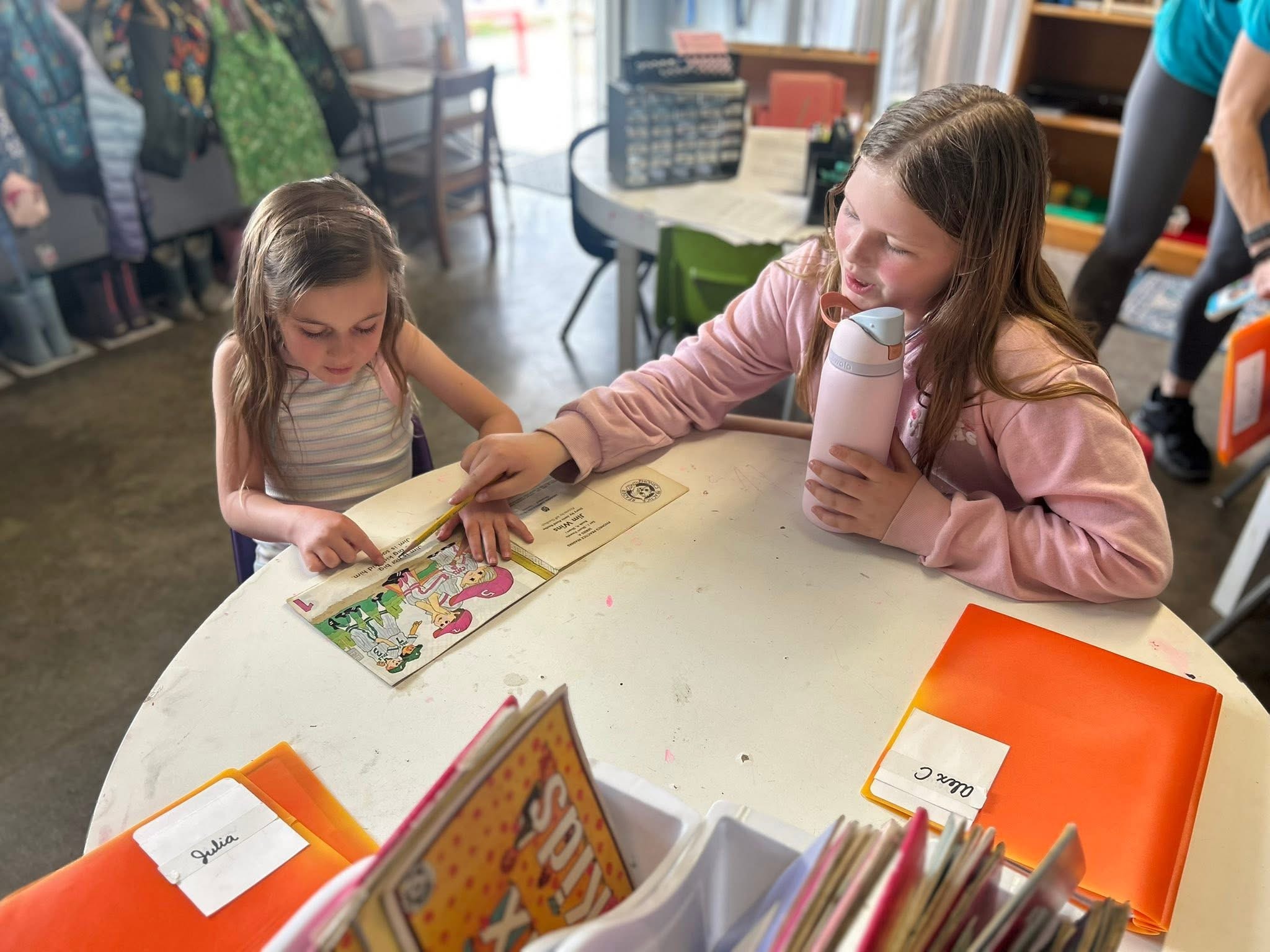
Our Students at Work
Executive Summary
ABC-Stewart Montessori School is committed to developing confident, capable, independent readers while preserving the Montessori principles of individualized instruction, purposeful work, active participation, independence, concrete-to-abstract learning, and interdisciplinary study. This 2026–2027 K–6 Reading Plan establishes a schoolwide literacy system that combines explicit, systematic Science of Reading instruction with Montessori methods and a knowledge-rich curriculum.
The plan treats reading as both a set of foundational skills and a means of acquiring knowledge. Students receive explicit instruction in phonemic awareness, phonics, fluency, vocabulary, and comprehension. At the same time, Science and Culture lessons intentionally build background knowledge, academic vocabulary, oral language, and experience with informational and literary texts. Reading is therefore not isolated from the Montessori curriculum; it is deliberately strengthened through the curriculum.
For K–3, the school will schedule the required 90-minute reading instructional block in a manner that preserves the required uninterrupted instructional time. Within that protected period, teachers may shift instructional modes and content while maintaining the required Science of Reading components. Grades 4–6 will use an integrated literacy model with explicit foundational/word-study instruction as needed and increasingly sophisticated disciplinary literacy in Literature, Science and Culture.
2026–2027 Schoolwide Literacy Commitments
- Every K–6 student receives explicit, systematic reading instruction matched to developmental need.
- Every K–3 student receives a protected daily 90-minute reading instructional block consistent with Indiana requirements.
- Reading instruction includes phonemic awareness, phonics, fluency, vocabulary, and comprehension.
- Students regularly read both literary and informational text and apply reading to authentic Literature, Science and Culture learning.
- Teachers use universal screening, diagnostic information, classroom evidence, and progress monitoring to identify students needing additional support.
- Students needing remediation receive timely, targeted intervention and an Individual Reading Plan when required.
- Teachers use Indiana Academic Standards to plan, assess, and document literacy learning.
- Montessori materials and lessons are used as instructional tools within an evidence-aligned reading system.
- Families receive understandable information about reading development, assessment results, intervention, and ways to support reading at home.
ABC-Stewart Montessori Literacy Philosophy
ABC-Stewart believes children become strong readers when they are given explicit instruction in how written language works, meaningful reasons to read, rich knowledge about the world, opportunities to talk and write about what they read, and time to practice skills independently. Montessori education provides a natural structure for this work because students interact with carefully sequenced materials, receive individual lessons, practice independently, revisit skills until mastery, and apply literacy to authentic work.
Individualization
Use screening, diagnostic, and classroom data to place students at the appropriate instructional starting point.
Concrete to abstract
Use Montessori language materials and manipulatives to make sounds, symbols, word parts, sentence structure, and meaning visible.
Three-period lessons
Use naming, recognition, and recall to build precise vocabulary and concepts.
Purposeful independent work
Provide meaningful practice after explicit teacher instruction; independence does not replace direct teaching.
Mixed-age community
Use appropriately structured peer reading, discussion, modeling, and collaboration.
Interdisciplinary learning
Use Science, Culture and Literature to build the knowledge and vocabulary needed for comprehension.
Teacher observation
Combine observation with standardized and classroom assessment to identify patterns and adjust instruction.
Mastery and repetition
Provide cumulative review, retrieval practice, and repeated opportunities to apply skills.
Student agency
Offer choices among texts/tasks after the teacher has established the necessary skill, text level, and learning goal.